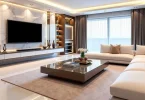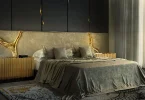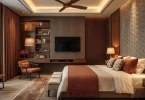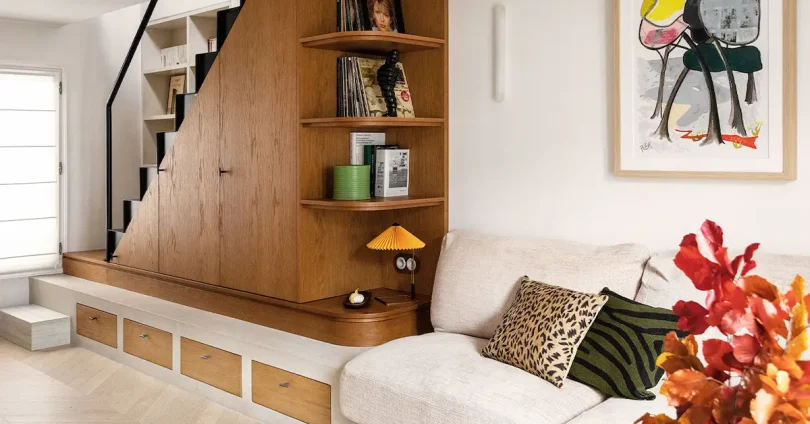

Room design for small spaces is all about creating a room that feels comfortable, organized, and visually larger even when space is limited. Small rooms can often feel crowded and difficult to decorate, but with the right layout, furniture, colors, and storage solutions, you can turn even the smallest area into a stylish and functional space.
Modern small room design focuses on simplicity and smart planning. Instead of filling the room with unnecessary furniture or heavy decoration, the goal is to use space wisely while maintaining comfort and beauty. Simple layouts, light color schemes, multifunctional furniture, and proper lighting are some of the best ways to improve small spaces.
A well-designed small room not only looks attractive but also makes daily life easier. Open walking areas, organized storage, and balanced furniture placement help create a clean and relaxing environment. Even simple changes like adding mirrors, using vertical storage, or choosing compact furniture can make a huge difference.
In this article, you will discover practical room design ideas for small spaces, including furniture arrangement tips, lighting ideas, color inspiration, storage solutions, and decoration techniques to help you maximize every inch of your room.
Why Small Space Design Matters
Small space design is important because it helps make limited areas more comfortable, organized, and functional. A smart room design can completely change how a small space looks and feels. With proper planning, even a tiny room can appear larger, brighter, and more stylish.
Maximizes Available Space
One of the biggest benefits of good small space design is better use of available space. Smart layouts and multifunctional furniture help you use every corner efficiently without making the room feel crowded. Room Design for Small Spaces
Helpful ideas include:
- Using vertical storage
- Keeping furniture compact
- Leaving enough walking space
- Choosing multifunctional furniture
Creates a Cleaner and Organized Look
Small rooms can quickly feel messy if they are not organized properly. A well-designed space includes smart storage solutions that help reduce clutter and keep the room neat. Room Design for Small Spaces
Organized rooms feel:
- More relaxing
- Easier to clean
- More visually appealing
Makes the Room Feel Bigger
Proper design techniques can make a small room appear much larger than it actually is. Light colors, mirrors, and open layouts help create the illusion of extra space. Room Design for Small Spaces
Ways to make rooms look bigger include:
- Using light wall colors
- Adding mirrors to reflect light
- Keeping furniture minimal
- Avoiding overcrowding
Improves Comfort and Functionality
A small room should still feel comfortable and practical. Smart furniture placement improves movement and allows the room to support daily activities more easily. Room Design for Small Spaces
Good functionality means:
- Easy movement around furniture
- Convenient storage access
- Comfortable seating and sleeping areas
Enhances Natural Light
Natural light makes small spaces feel more open and fresh. A proper room design allows sunlight to spread evenly throughout the room. Room Design for Small Spaces
Tips for better natural lighting:
- Use light curtains
- Keep windows clear
- Avoid blocking sunlight with furniture
Reduces Stress and Clutter
Cluttered small rooms can feel overwhelming and uncomfortable. A simple design with organized storage creates a calmer and more peaceful atmosphere. Room Design for Small Spaces
Minimal design helps:
- Reduce stress
- Improve focus
- Create a relaxing environment
Supports Modern and Stylish Interiors
Modern interior design often focuses on simplicity and functionality, which works perfectly for small spaces. Clean layouts, neutral colors, and minimal decoration create a stylish and elegant appearance. Room Design for Small Spaces
Makes Daily Living Easier
A well-designed small room improves everyday living by making the space more efficient and comfortable. Whether you are relaxing, working, or sleeping, a smart design helps the room feel more enjoyable and practical to use. Room Design for Small Spaces
you may also like to read these posts;
Living Room Styling Ideas for a Stylish Space
Bedroom Styling Inspiration for a Cozy Space
Minimal Home Styling Guide for a Clutter-Free Home
Cozy Home Styling Ideas for a Warm & Relaxing Space
Simple Home Styling Tips for a Beautiful Home
Choosing the Right Layout for Small Rooms
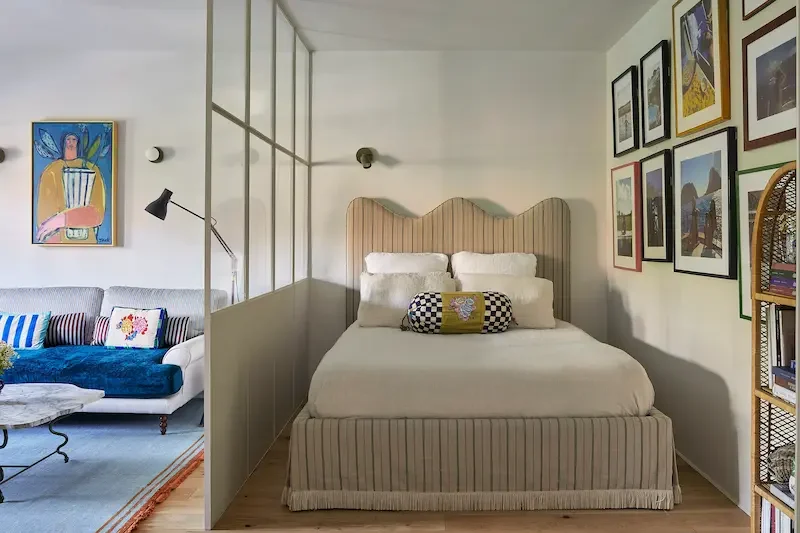
Choosing the right layout is one of the most important parts of room design for small spaces. A smart layout helps improve movement, comfort, storage, and overall appearance. When furniture and decor are arranged properly, even a small room can feel open, functional, and stylish. Room Design for Small Spaces
The main goal of a small room layout is to maximize available space without making the room feel crowded. Every furniture piece should have a purpose and fit naturally within the room. Room Design for Small Spaces
Understand the Shape and Size of the Room
Before arranging furniture, it is important to understand the size and shape of your room. Some rooms are square, while others are narrow or rectangular. The layout should match the room’s shape to improve balance and movement. Room Design for Small Spaces
Helpful tips include:
- Measure the room before buying furniture
- Leave enough walking space
- Avoid oversized furniture
- Plan the layout around windows and doors
Understanding the room size helps prevent overcrowding and improves organization.
Keep the Layout Open
Open layouts are very important in small spaces because they make the room feel larger and less restricted. Furniture should be arranged in a way that keeps the center area open and allows easy movement. Room Design for Small Spaces
Ways to create an open layout:
- Place furniture against walls
- Use compact furniture pieces
- Avoid unnecessary items
- Keep pathways clear
Open layouts improve both comfort and visual appearance. Room Design for Small Spaces
Focus on Functionality
Every part of the room should serve a purpose. Small spaces work best when the layout is practical and supports daily activities like sleeping, working, relaxing, or storage. Room Design for Small Spaces
Examples of functional layouts include:
- A bed with storage underneath
- A desk placed near natural light
- Foldable furniture for extra space
- Wall-mounted shelves instead of large cabinets
A functional room feels more organized and easier to use. Room Design for Small Spaces
Create Separate Zones
Even in small rooms, creating separate zones can help improve organization. You can divide the space into different areas for sleeping, working, or relaxing without adding walls. Room Design for Small Spaces
Simple ways to create zones:
- Use rugs to separate areas
- Arrange furniture based on purpose
- Use shelves as dividers
- Keep each section organized
This makes the room feel more structured and balanced. Room Design for Small Spaces
Choose the Right Furniture Placement
Furniture placement greatly affects how spacious a room feels. Large furniture pieces should be positioned carefully to avoid blocking movement or natural light. Room Design for Small Spaces
Helpful furniture placement tips:
- Place the bed or sofa against the longest wall
- Avoid blocking windows
- Keep furniture away from doorways
- Leave enough space between furniture pieces
Good placement helps the room feel more comfortable and open.
Use Vertical Space Wisely
In small rooms, vertical space is just as important as floor space. Using walls for storage and decoration helps free up valuable floor area. Room Design for Small Spaces
Ideas for using vertical space:
- Floating shelves
- Wall-mounted desks
- Hanging organizers
- Tall storage cabinets
Vertical storage improves organization while keeping the room uncluttered.
Prioritize Natural Light
Natural light can make small rooms appear brighter and larger. The layout should allow sunlight to move freely throughout the room.
Tips for maximizing light:
- Use light curtains
- Place mirrors near windows
- Avoid heavy furniture near windows
- Choose light wall colors
Bright spaces always feel more open and welcoming.
Avoid Overcrowding the Room
One of the most common mistakes in small room design is using too much furniture or decoration. A crowded room feels uncomfortable and visually smaller.
To avoid overcrowding:
- Keep only essential furniture
- Use minimal decor
- Choose multifunctional items
- Maintain empty floor space
Simple layouts often look more modern and elegant.
Maintain Balance and Symmetry
Balanced layouts create a calm and organized appearance. Furniture and decor should feel evenly distributed throughout the room.
Examples include:
- Matching side tables
- Balanced wall decor
- Equal spacing between furniture pieces
Symmetry helps the room feel more visually pleasing.
Think About Daily Movement
A good small room layout should make daily movement easy and comfortable. You should be able to move around the room without obstacles or tight spaces.
Always ensure:
- Doors open freely
- Walkways remain clear
- Furniture does not block access points
Comfortable movement improves functionality and overall room experience.
Final Thought on Small Room Layouts
The right layout can completely transform a small room into a stylish, organized, and comfortable space. By focusing on functionality, open space, smart furniture placement, and proper lighting, you can make any small room feel larger and more inviting.
Furniture Ideas for Small Spaces
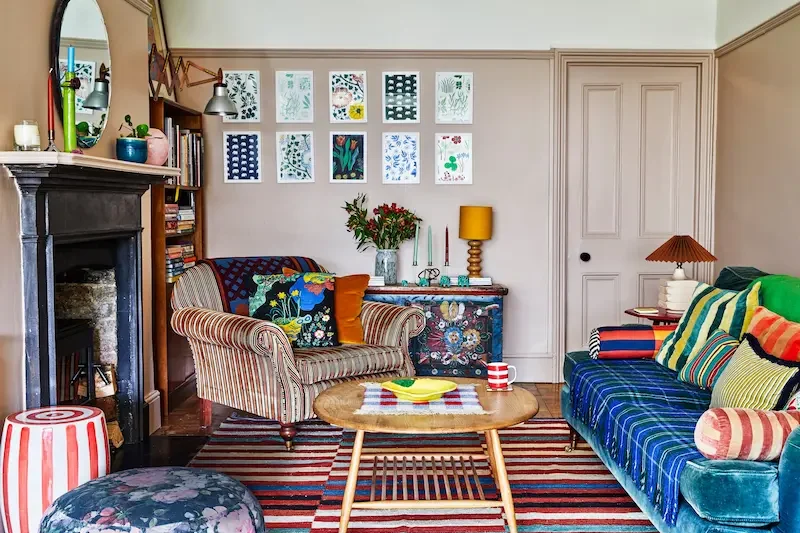
Choosing the right furniture is one of the most important parts of room design for small spaces. The right furniture can help maximize space, improve organization, and make a small room feel more comfortable and stylish. In compact rooms, furniture should be functional, space-saving, and visually light to avoid making the room feel crowded.
Choose Multifunctional Furniture
Multifunctional furniture is one of the best solutions for small spaces because it serves more than one purpose while saving valuable room space.
Popular multifunctional furniture ideas include:
- Sofa beds
- Storage beds
- Foldable dining tables
- Storage ottomans
- Nesting tables
- Wall-mounted desks
These furniture pieces help reduce clutter while improving functionality.
Use Compact Furniture Designs
Large and bulky furniture can make a small room feel tight and uncomfortable. Compact furniture designs work much better because they leave more open space for movement.
Helpful tips include:
- Choose slim sofas and chairs
- Use smaller coffee tables
- Avoid oversized wardrobes
- Select lightweight furniture designs
Compact furniture helps create a cleaner and more spacious appearance.
Storage Beds for Better Organization
Beds with built-in storage are perfect for small bedrooms because they provide extra space for storing clothes, blankets, shoes, and other items.
Storage bed options include:
- Drawer beds
- Lift-up storage beds
- Platform beds with shelves
This type of furniture helps reduce clutter and improves room organization.
Wall-Mounted Furniture
Wall-mounted furniture is ideal for small spaces because it frees up floor area and creates a more open layout.
Popular wall-mounted furniture ideas:
- Floating shelves
- Wall desks
- Floating TV units
- Hanging cabinets
These options make the room look more modern and spacious.
Foldable and Expandable Furniture
Foldable furniture is very useful in small rooms because it can be stored away when not in use.
Examples include:
- Foldable desks
- Foldable dining tables
- Folding chairs
- Expandable tables
These furniture pieces provide flexibility without taking up permanent space.
Use Vertical Storage Furniture
Tall furniture helps maximize vertical space and reduces the need for multiple storage units.
Good vertical storage ideas include:
- Tall bookshelves
- Vertical cabinets
- Hanging organizers
- Wall storage systems
Using height instead of floor space helps keep the room organized.
Keep Furniture Minimal
Minimal furniture layouts work best in small spaces because they prevent overcrowding and improve movement.
Helpful tips:
- Use only essential furniture
- Avoid too many decorative pieces
- Leave open floor areas
- Focus on functionality
Minimal designs make small rooms feel cleaner and more relaxing.
Choose Furniture With Light Colors
Furniture colors can affect how spacious a room feels. Light-colored furniture creates a brighter and more open appearance.
Best furniture colors for small spaces:
- White
- Beige
- Light gray
- Soft wood tones
These shades reflect light and help make the room feel larger.
Arrange Furniture Smartly
Furniture arrangement is just as important as furniture choice. Proper placement improves comfort and allows easier movement throughout the room.
Arrangement tips include:
- Place furniture against walls
- Keep pathways open
- Avoid blocking windows
- Maintain enough walking space
A smart layout makes the room more practical and visually balanced.
Use Mirrors With Furniture
Mirrors can work together with furniture to make small spaces appear larger. Placing mirrors near furniture or windows reflects light and creates more visual depth.
Final Thought on Small Space Furniture
The right furniture can completely transform a small room into a functional and stylish space. By choosing multifunctional, compact, and space-saving furniture, you can maximize comfort and organization while maintaining a modern and elegant look.
How can I make a small room look bigger?
You can make a small room look bigger by using light colors, mirrors, minimal furniture, proper lighting, and keeping the layout open and organized.
What furniture is best for small spaces?
Multifunctional and compact furniture like storage beds, sofa beds, foldable tables, and floating shelves work best for small rooms.
What colors are best for small rooms?
Light colors such as white, beige, cream, and light gray are ideal because they reflect light and make the room feel more spacious.
Conclusion
Room design for small spaces is all about using smart ideas to create a space that feels comfortable, organized, and visually larger. Even the smallest rooms can become stylish and functional with the right layout, furniture, lighting, and storage solutions. A well-designed small room not only improves appearance but also makes everyday living more practical and enjoyable.
Simple layouts, light colors, multifunctional furniture, and proper organization are the key elements of successful small space design. Keeping the room clutter-free and using every inch wisely can help maximize comfort while maintaining a clean and modern look.
Whether you are designing a small bedroom, living room, apartment, or office space, these room design ideas for small spaces can help you create a beautiful and relaxing environment. With thoughtful planning and creative solutions, any small room can feel open, cozy, and stylish.